PM Fuel Relief Scheme 2026: Rs100 Per Litre Petrol Relief, Eligibility and Registration Details
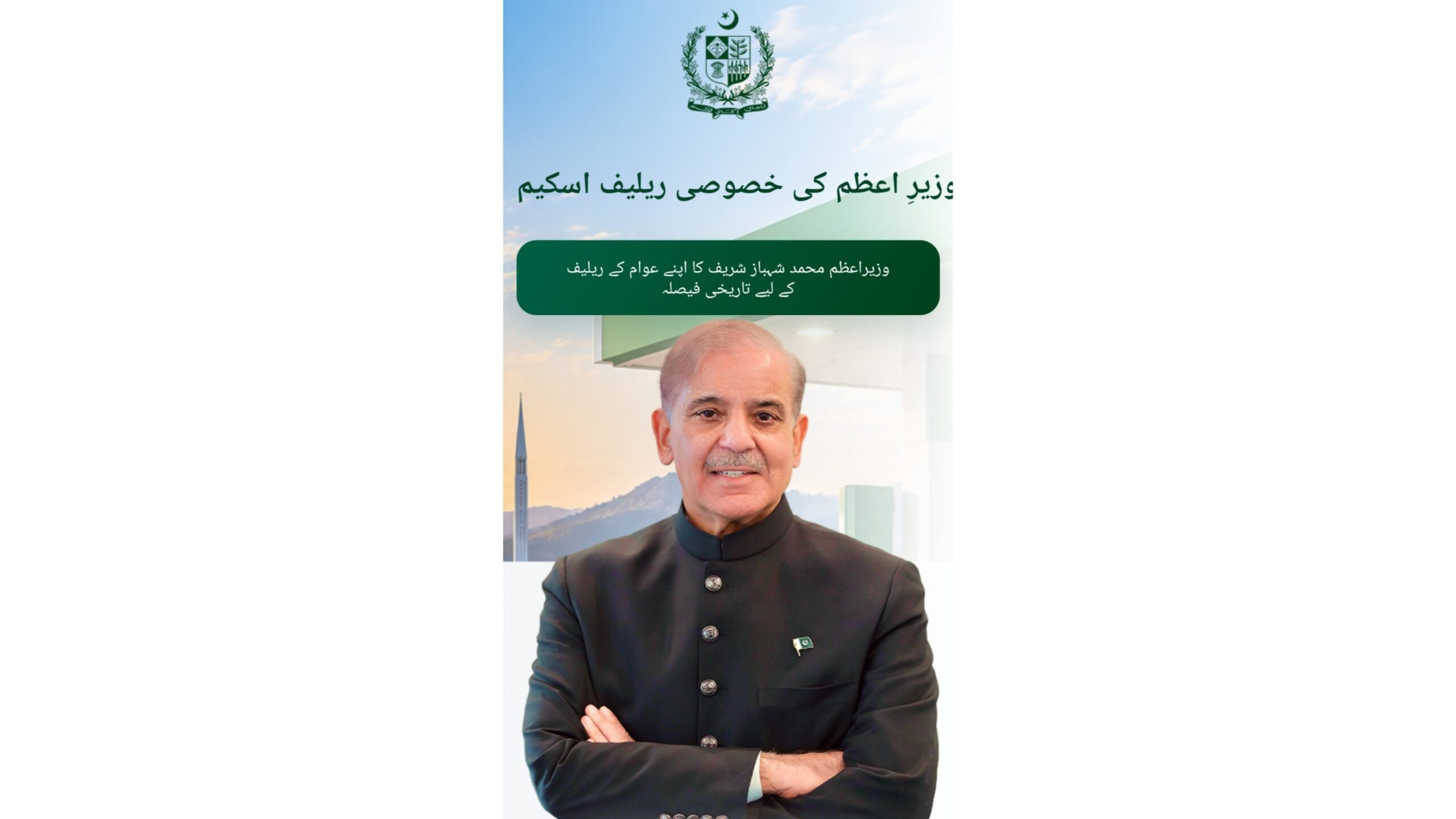
The Government of Pakistan has introduced a major Prime Minister Fuel Relief Scheme 2026 to provide financial relief to citizens affected by the sharp increase in petrol prices. The scheme is specifically designed to support motorcycle users, rickshaw drivers, other two- and three-wheeler users, and owners of small cars with engines up to 800cc.
The announcement comes at a time when rising global oil prices are putting significant pressure on household budgets, transportation costs, inflation and everyday expenses. Under the new scheme, eligible consumers can receive Rs100 per litre relief on petrol, subject to the monthly limits defined by the government.
What Is the Prime Minister Fuel Relief Scheme?
The PM Fuel Relief Scheme is a targeted government subsidy designed to reduce the financial burden caused by higher petroleum prices. Instead of providing a general subsidy to every vehicle owner, the government has focused on lower-income and middle-income consumers who rely heavily on motorcycles, rickshaws and small vehicles.
According to the approved mechanism, eligible two- and three-wheelers can receive relief equivalent to 5 litres per week, while eligible cars up to 800cc can receive relief based on 30 litres per month. The relief rate is Rs100 per litre.
For motorcycle and three-wheeler users, this can provide savings of up to approximately Rs2,000 per month. For eligible small-car owners, the maximum monthly relief can reach approximately Rs3,000.
Who Can Benefit From the Fuel Subsidy?
The scheme primarily targets people who use smaller vehicles and may be more vulnerable to increasing fuel expenses.
Eligible categories include:
- Motorcycles
- Auto-rickshaws
- Motorcycle rickshaws
- Qingqi rickshaws
- Other eligible two- and three-wheelers
- Cars with engine capacity up to 800cc
The government has also clarified that the scheme is intended for non-commercial users, with the relief limited to one eligible vehicle per user or owner under the approved mechanism.
This targeted approach is intended to make the subsidy more efficient while directing government financial resources toward consumers who are most affected by fuel price increases.
How Much Money Can Consumers Save?
Fuel expenses have become an important part of the monthly household budget. For many families, particularly those dependent on motorcycles for commuting, even a small increase in petrol prices can significantly affect their disposable income.
Under the new relief structure, a qualifying two- or three-wheeler user can receive Rs100 relief for up to 20 litres of petrol per month. That means the potential monthly saving can reach Rs2,000.
For an eligible vehicle up to 800cc, the relief applies to up to 30 litres per month. At Rs100 per litre, the potential saving is approximately Rs3,000 per month.
These savings could help households manage transportation expenses, utility bills, groceries, education costs and other regular financial commitments.
Fuel Relief Scheme Registration Process
The government has introduced a digital registration mechanism to make the process easier and more transparent.
According to the Ministry of IT and Telecommunications, applicants need four basic pieces of information for registration:
- CNIC number
- Vehicle number plate
- Province of vehicle registration
- Vehicle registration date
Eligible applicants can send the required information through SMS to 9771 to complete registration. After successful registration, beneficiaries can generate a fuel token by sending “TOK” to 9771 before visiting a designated petrol station.
The government has emphasized that citizens should follow the official registration procedure and avoid relying on unofficial websites, social media posts or individuals asking for personal information.
Digital Fuel Pass System
One of the important features of the new program is the use of a digital Fuel Pass System (FPS). The Ministry of IT and Telecommunications is responsible for deploying and managing the digital system.
The purpose of this technology-based system is to improve transparency, reduce duplication and ensure that eligible consumers receive the intended benefit.
A digital system can also help the government monitor subsidy distribution and improve accountability. This is particularly important for a large-scale financial assistance program involving millions of potential beneficiaries.
When Will the Scheme Start?
The government announced that the scheme would initially be implemented in Islamabad and then expanded to other parts of Pakistan, including Azad Jammu and Kashmir and Gilgit-Baltistan.
According to the Prime Minister’s Office and government briefings, Islamabad’s implementation began around the night of September 14–15, while the relief was scheduled to become available across the country from the night of September 16–17.
The government has also instructed officials to provide guidance to citizens during registration and implementation.
Why Is the Government Providing Fuel Subsidy?
The recent increase in global oil prices has created pressure on fuel markets and household finances. Higher fuel prices can affect much more than the cost of filling a vehicle.
Transportation expenses influence the prices of food, logistics, delivery services, manufacturing and other consumer products. As fuel becomes more expensive, businesses may face higher operating costs, which can contribute to broader inflationary pressure.
The PM Fuel Relief Scheme is therefore intended to provide targeted financial support while helping eligible households manage their monthly transportation expenses.
Government Funding for the Relief Program
The Economic Coordination Committee has approved Rs75 billion for the Prime Minister’s Fuel Relief Scheme. The government has described the program as targeted relief for lower-income segments affected by increased petroleum prices.
The Petroleum Minister has also indicated that the government could spend approximately Rs25 billion to Rs30 billion per month on the program, depending on participation and implementation.
The size of the financial commitment shows that the government is treating rising fuel costs as a significant economic challenge.
What Should Applicants Do?
People who believe they are eligible should carefully check the official requirements before registering. Applicants should make sure that their CNIC details, vehicle information, registration province and registration date are accurate.
Citizens should also be cautious about scams. They should avoid sharing CNIC information, banking passwords, PINs, OTP codes or other sensitive financial information with unknown individuals.
For the latest registration instructions and official updates, applicants should rely on government announcements and the official fuel relief information channels rather than unverified social media claims.
Conclusion
The Prime Minister Fuel Relief Scheme 2026 is an important government initiative aimed at reducing the impact of rising petrol prices on households and small-vehicle users. With Rs100 per litre petrol relief, eligible motorcycle and three-wheeler users can receive support on up to 20 litres per month, while eligible cars up to 800cc can receive relief on up to 30 litres per month.
For families facing higher transportation costs, the potential savings of up to Rs2,000 or Rs3,000 per month could provide meaningful financial assistance.
The use of a digital Fuel Pass System and SMS-based registration is also designed to improve transparency, simplify access and ensure that the subsidy reaches eligible consumers.
As fuel prices continue to influence inflation, household expenses and the overall cost of living, consumers should stay informed about official eligibility requirements, registration procedures and future updates to the scheme.